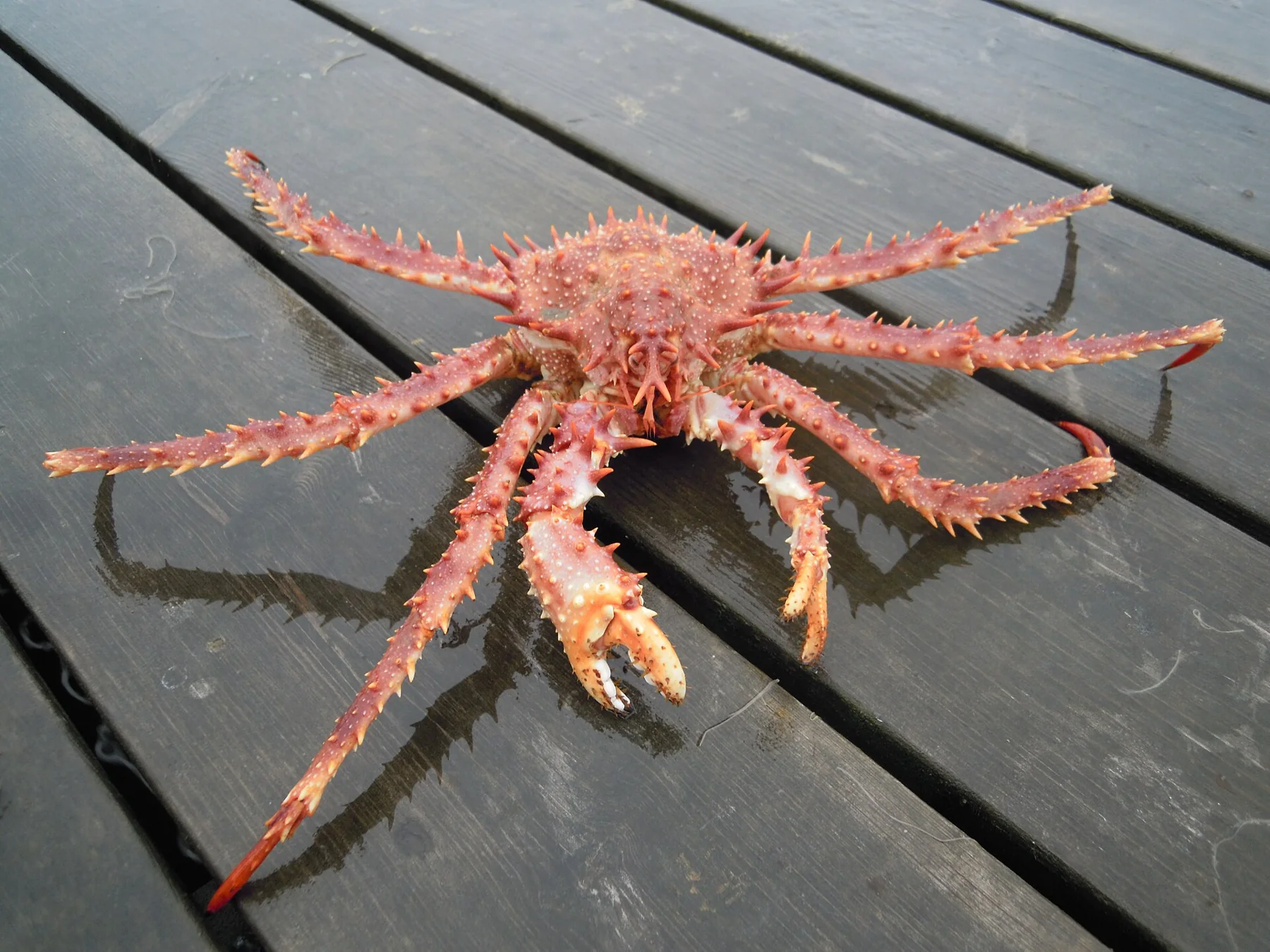
Finnmark is Norway’s broad northern county, shaped by exposed coasts, fishing communities and fast-changing weather. A king crab safari can connect those elements in one day: harbour life, commercial gear, marine biology and food. But packages vary, and the strongest choice is not necessarily the one with the loudest wildlife claims.
1. Choose the operation, not the promise
Start with the vessel and operator. Ask for the legal company name, relevant passenger-vessel credentials, skipper qualifications, group capacity and exact meeting point. Marketing phrases such as “guaranteed adventure” do not tell you what happens when the sea becomes unsafe.
Clarify whether you will travel by open RIB, enclosed passenger boat or working-style fishing vessel. Each offers a different balance of speed, shelter, deck movement and accessibility. Photographs should show the actual vessel—not just a representative boat.
2. Understand season and weather
“Best season” depends on your priorities. Winter offers limited daylight and a chance of dramatic snow conditions; brighter months allow longer views and easier road travel. Bird activity, aurora darkness and marine wildlife patterns do not all peak together.
Even in a favourable month, one departure can be calm and the next cancelled. Build flexibility into your itinerary, especially if the boat trip is the main reason for travelling. Avoid scheduling a non-refundable onward connection immediately after the experience.
3. Dress for inactivity as well as action
Guests often underestimate how cold it feels while standing still on deck. Wear a moisture-managing base layer, insulating mid-layer and windproof outer shell. Wool socks, a close-fitting hat and gloves that retain warmth when damp are valuable. The operator should explain which flotation layer, boots and deck gloves it supplies.
Bring eye protection and secure loose items. Salt spray reaches cameras quickly, so pack a cloth and weather cover. If you are prone to seasickness, ask a medical professional about options in advance rather than experimenting on departure morning.
4. Treat wildlife as an encounter, not an inclusion
The Barents and Norwegian seas support whales, orcas, dolphins and seals, while sea eagles and seabirds use the coast. Their presence on a website does not make them part of a tour inventory. Ethical operators describe these species as possible encounters and avoid chasing, crowding or altering natural behaviour.
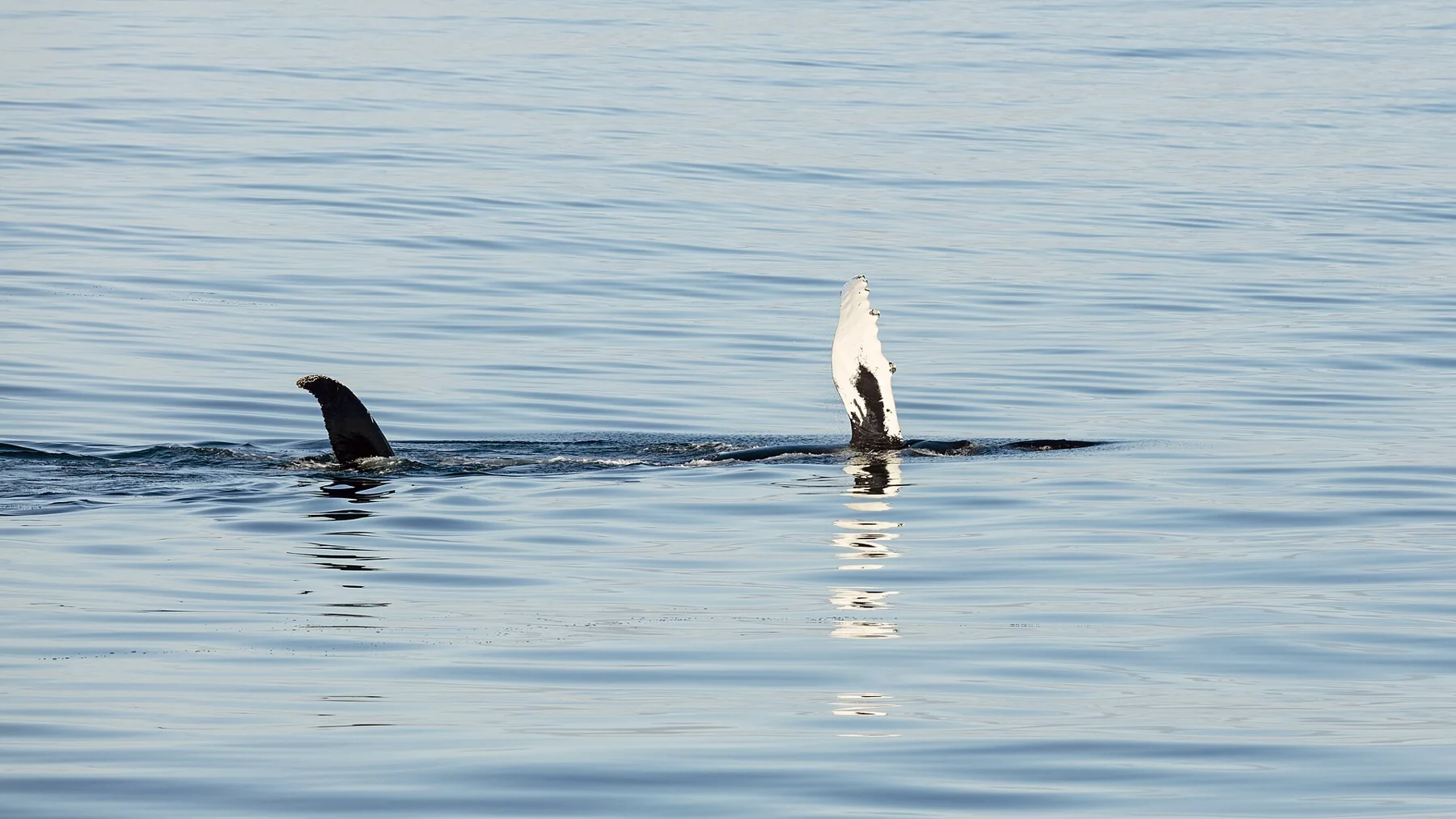
Ask how the skipper handles an unexpected sighting. A measured answer should mention distance, speed, animal behaviour, other boats and the need to leave. A guaranteed sighting claim is a reason to ask harder questions.
5. Know what “help retrieve” means
Fishing gear is heavy and can move suddenly. Guest participation should be optional, closely supervised and limited by the skipper. You might guide a line, handle an approved part of the process or simply observe from a marked position. Conditions can change that plan at any moment.
The operator should brief you before approaching gear and should never pressure you to participate for a photograph. If mobility, grip strength or balance is a concern, discuss it in advance. A good experience remains meaningful from an observation position.
6. Plan the food honestly
Ask whether the tasting depends on the day’s legal catch, whether crab may be sourced separately, and what alternative is offered. Confirm food handling arrangements and disclose shellfish allergies early; crustacean cross-contact can be serious.
Simple preparation often communicates place best. The useful questions are practical: where is food served, how soon after landing, what is included, and can dietary needs genuinely be accommodated?
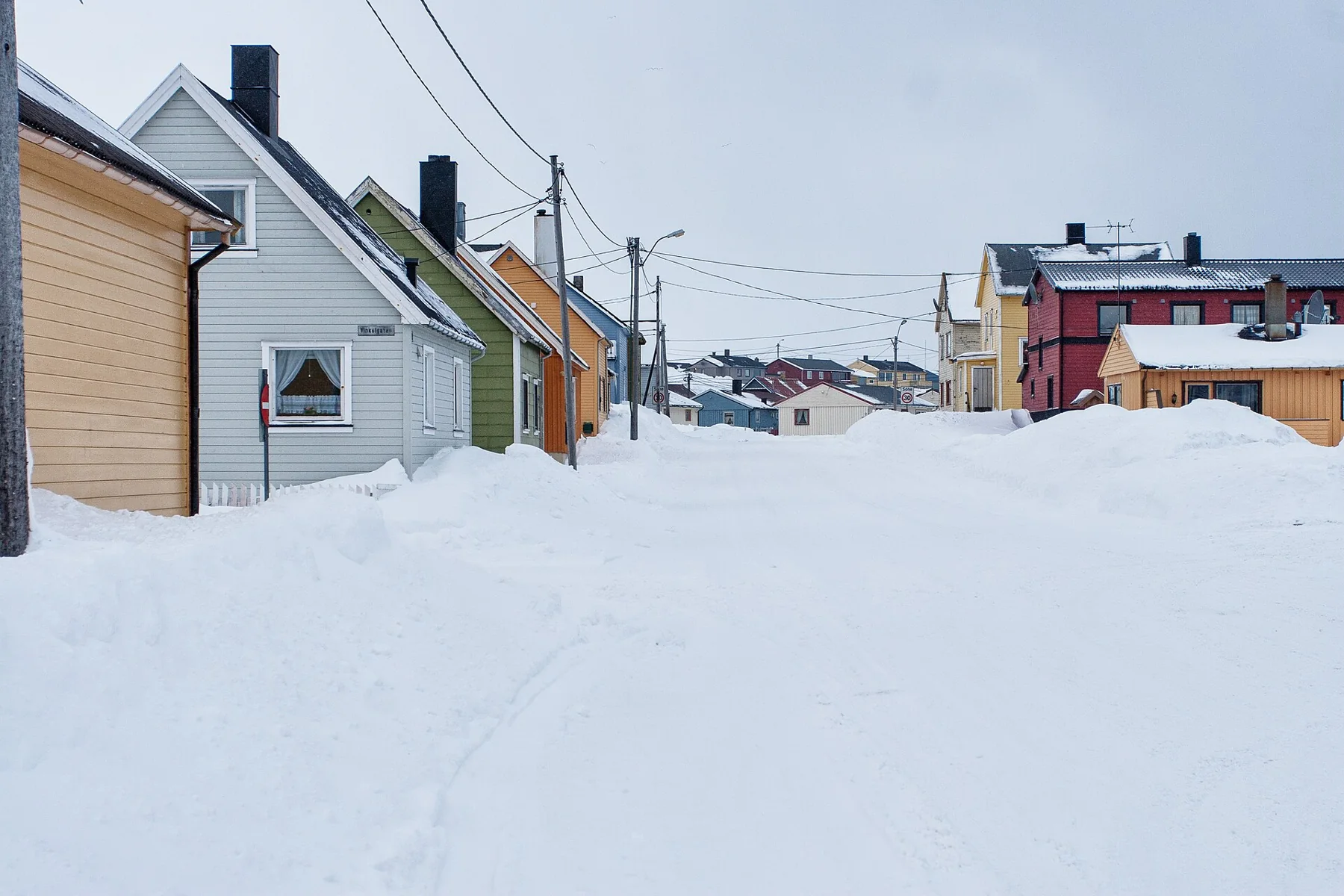
7. Build a resilient Vardø itinerary
Vardø sits in eastern Finnmark and transport options can be limited or weather-affected. Verify current flights, buses, road conditions and any ferry or tunnel information with official sources. Stay at least one night on either side of a weather-sensitive boat trip when possible.
Use spare time to explore the harbour, local history and the island landscape responsibly. Hornøya is known for seabirds, but access and seasonal restrictions must be checked locally. Keep distance at nesting sites and follow posted guidance.
Final checklist
- Verify the operating company and vessel.
- Read cancellation and weather terms.
- Confirm group size and accessibility.
- Ask what happens if there is no catch.
- Assume no wildlife sighting.
- Pack for cold wind and waiting.
- Leave buffer time in your transport plan.
A king crab safari is most compelling when it stays connected to real coastal work. Choose a trip that explains uncertainty clearly, prioritises the skipper’s judgement and lets the place—not a guarantee—be the reason to go.
Build your questions